

Why Kids Love Toy Collections

Discover the fascinating psychology behind children’s toy collecting behavior. Learn how collecting benefits child development, builds confidence, and creates lasting memories through play.
Introduction
Watch any child with their favorite toy collection and you’ll witness something remarkable: intense focus, careful organization, prideful display, and genuine emotional attachment. This behavior isn’t random—it’s rooted in fundamental psychological drives that shape human development and learning.
Understanding why children are naturally drawn to collecting toys reveals insights into cognitive development, emotional growth, and social learning. From the toddler who insists on lining up cars in perfect rows to the teenager meticulously cataloging collectible figures, these behaviors serve important developmental functions that extend far beyond simple play.
The Evolutionary Roots of Collecting
Survival Instincts in Modern Play
Collecting behavior has deep evolutionary origins tied to survival and resource management. Early humans who successfully gathered and stored resources had better survival rates, and this instinct remains embedded in human psychology today.
Children’s collecting behaviors mirror these ancestral patterns: gathering items of perceived value, organizing them systematically, and protecting them from loss or theft. When a child carefully arranges their toy cars or protective displays their action figures, they’re expressing ancient drives adapted for modern contexts.
Gender Differences in Collecting Behavior
Socialization and Collection Types
While collecting behavior is universal across genders, socialization influences what children choose to collect and how they engage with their collections.
Research suggests some general trends: girls may focus more on collections that support social play and storytelling, while boys might gravitate toward collections that emphasize technical details or competitive elements. However, individual differences far outweigh these general patterns.
Communication and Display Styles
Gender socialization may influence how children talk about and display their collections. Some children emphasize the social and emotional aspects of collecting, while others focus on technical specifications or competitive achievements.
Understanding these different communication styles helps parents and educators appreciate diverse approaches to collecting without imposing limiting stereotypes.
When Collecting Becomes Concerning
Healthy vs. Problematic Collecting
Most childhood collecting behavior is healthy and beneficial, but parents should be aware of warning signs that collecting might be becoming problematic:
Healthy Collecting Signs:
- Balanced with other interests and activities
- Brings joy and satisfaction
- Shared enthusiastically with others
- Manageable within family budget and space
- Flexible and adaptable to circumstances
Concerning Signs:
- Dominates all other interests and activities
- Causes significant distress when items are unavailable
- Interferes with social relationships or school performance
- Creates family conflict over money or space
- Shows rigid, inflexible patterns
Supporting Healthy Collecting Habits
Parents can encourage positive collecting experiences by:
- Setting reasonable boundaries around spending and space
- Showing genuine interest in children’s collections
- Helping children research and learn about their collecting areas
- Facilitating social connections with other collectors
- Teaching care and respect for collected items
Cultural and Educational Implications
Collections as Learning Tools
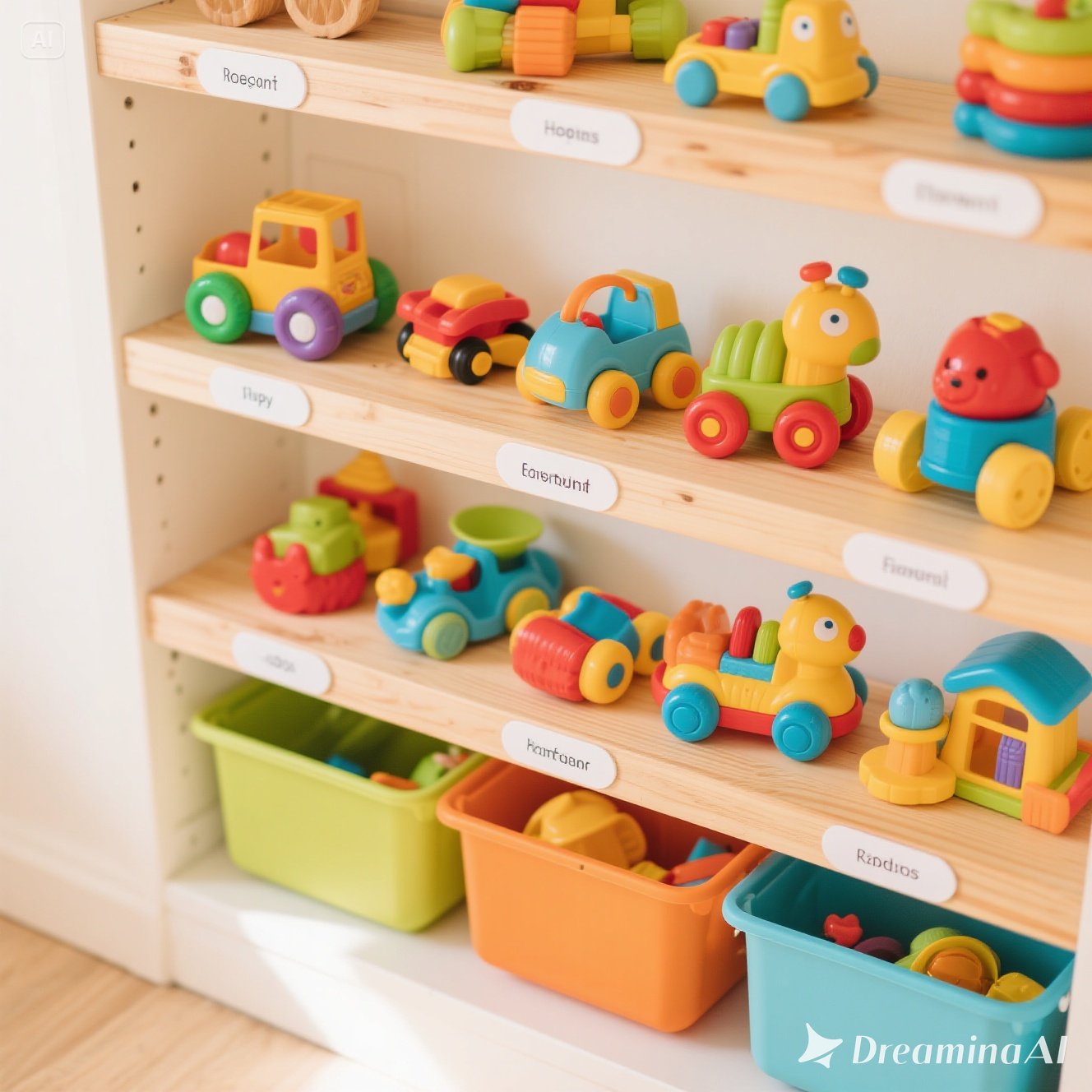
Toy collections serve as powerful informal education tools, teaching children about history, geography, science, and culture. Vehicle collections introduce transportation concepts, dinosaur collections teach paleontology basics, and character collections often connect to rich storytelling traditions.
Educators can harness collecting enthusiasm to enhance formal learning by incorporating collection themes into lesson plans and recognizing collecting expertise as valid knowledge.
Cultural Preservation and Transmission
Children’s collections often reflect and preserve cultural values, stories, and traditions. Through collecting toys representing different cultures, historical periods, or social roles, children learn about diversity and heritage.
This cultural transmission function makes collecting an important vehicle for maintaining connections to family traditions and broader cultural knowledge.
The psychology behind children’s love of toy collecting reveals sophisticated cognitive, emotional, and social processes at work. Far from being simple accumulation of objects, collecting represents children’s natural drives toward mastery, organization, social connection, and identity development.
Understanding these psychological foundations helps parents and educators appreciate the value of collecting activities and support them in developmentally appropriate ways. Rather than viewing collections as mere clutter or distraction, adults can recognize them as powerful tools for learning, growth, and self-expression.
The next time you observe a child carefully arranging their toy collection or excitedly discussing a new acquisition, remember that you’re witnessing fundamental human psychology in action—ancient drives adapted for modern childhood, serving essential developmental functions that will benefit the child throughout their life.
By supporting and understanding children’s collecting interests, we honor their natural learning processes and provide foundations for lifelong skills, interests, and positive relationships with the material world around them.
Ready to support your child’s collecting journey?
Explore our comprehensive selection of collectible toys designed to inspire healthy collecting habits while supporting child development. From starter sets perfect for beginning collectors to rare pieces that challenge advanced enthusiasts, we have collections that grow with your child’s interests and abilities.
Best selling products
-

BEYBLADE X BX-32 Wide Extreme Stadium, TAKARA TO
HKD269.00 -
Takara Tomy Beyblade X CX-05 Apr Random Booster
HKD74.90 -
Takara Tomy Beyblade X BX-40 Winder Launcher (LR)
HKD54.90 -
Takara Tomy Beyblade X CX-06 Random Booster Fox Brush Select (Active Toy)
HKD74.90 -
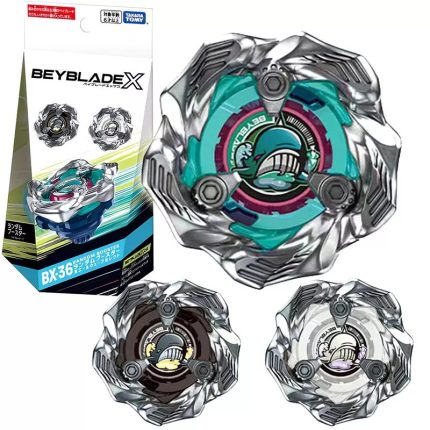
Beyblade X BX-36 Whale Wave Select Random Booster Takara Tomy (Active Toy)
HKD74.90