


Sideboarding & Tech in Duel Masters: Win More at Locals

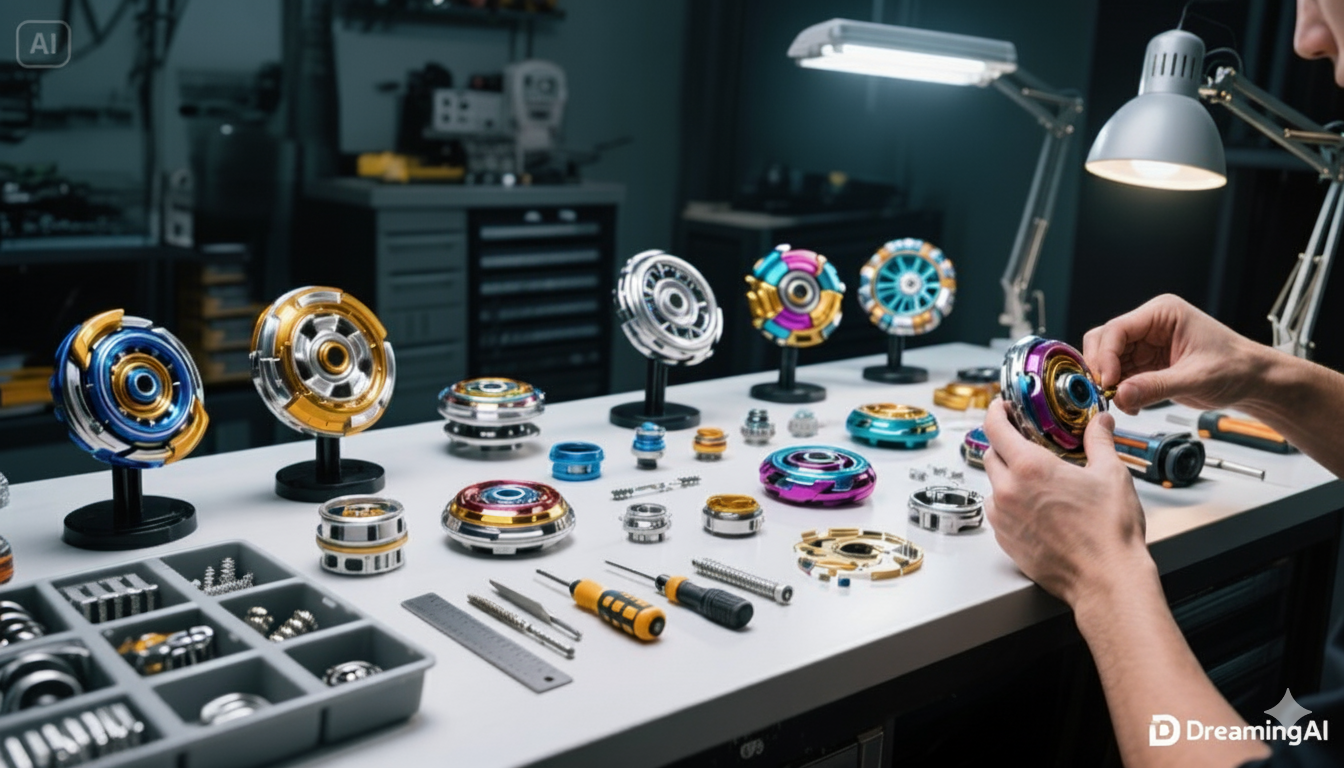
Master advanced deck construction techniques and dominate your local tournament scene
Competitive Duel Masters success hinges on more than just powerful main deck strategies – it’s the subtle art of sideboarding and tech card selection that separates tournament winners from casual players. After two decades of trading card game experience across multiple formats, one truth remains constant: the best players win through superior preparation and adaptation, not just raw card power.
Local tournaments present unique challenges that reward players who understand their meta environment. Unlike random online matches, your local game store creates predictable opponent pools with known strategies and preferences. This guide reveals advanced sideboarding techniques and tech card selection that transforms good players into consistent local champions.
Understanding Local Meta Dynamics

Why Locals Require Different Approaches
Local tournament environments create fascinating strategic puzzles that reward dedicated players willing to adapt their approaches. Unlike major tournaments with diverse, unpredictable fields, your weekly locals typically feature 8-16 regular players with established deck preferences and playing styles.
Key Local Meta Characteristics:
- Predictable opponent pools with known strategies
- Budget-conscious deck building affecting card choices
- Personal rivalries creating targeted preparation opportunities
- Consistent play patterns allowing for counter-strategy development
- Limited card pools due to regional availability differences
Smart players exploit these patterns by building sideboards specifically targeting their expected opposition. This approach proves far more effective than generic “good cards” sideboarding that ignores local context.
The Local Champion’s Mindset: Successful local players think like chess masters, planning multiple moves ahead based on known opponents. They maintain detailed notes on popular strategies, track emerging trends, and adjust their preparation accordingly. This dedication transforms tournament attendance from casual gaming into strategic warfare.
Identifying Your Local Power Players

Player Archetype Recognition:
The Aggro Specialist: Always plays fast, aggressive strategies regardless of format changes. Build your sideboard expecting at least 2-3 speed-focused matchups per tournament.
The Control Master: Gravitates toward resource advantage and late-game inevitability. These players often pilot similar strategies across multiple formats, making targeted sideboard preparation highly effective.
The Meta Chaser: Constantly switches to whatever strategy wins major tournaments. Monitor recent championship results to predict their next deck choice.
The Budget Builder: Runs optimized versions of affordable strategies. Understanding budget alternatives to expensive cards helps predict their specific card choices and weaknesses.
Advanced Sideboarding Philosophy
The 60/15 Mindset
Professional Duel Masters players approach deck construction as a 75-card puzzle, not 60 cards plus random sideboard additions. Your main deck and sideboard work together as an integrated system designed to handle your expected meta environment.
Main Deck Optimization: Focus your main deck on beating the most popular strategies in your local meta. Accept that you’ll have poor matchups against fringe strategies – that’s what your sideboard fixes. This focused approach creates more consistent Game 1 victories while maintaining adaptability for Games 2 and 3.
Sideboard as Meta Insurance: Your sideboard exists to shore up weaknesses and exploit opponent vulnerabilities exposed during Game 1. Every sideboard card should answer a specific local threat or provide additional pressure against known defensive strategies.
The Three-Pillar Sideboard Strategy

Pillar 1: Hate Cards (5-6 slots) Targeted answers to your most problematic matchups. These cards often provide poor general value but completely swing specific games when relevant.
Example: Anti-aggro cards like Shield Triggers or cheap removal spells
Pillar 2: Flexibility Cards (4-5 slots) Broadly useful cards that improve multiple matchups without being dead draws. These provide consistency improvements and general power level increases.
Example: Additional mana acceleration or universal removal spells
Pillar 3: Transform Cards (4-5 slots) Cards that fundamentally change your strategy post-sideboard, allowing you to present unexpected angles of attack in Games 2 and 3.
Example: Switching from aggro to midrange, or control to combo elements
Image suggestion: Visual breakdown showing three distinct card categories with examples from each pillar
Tech Card Selection Mastery
Identifying Effective Tech Choices

The 80/20 Rule for Tech Cards: Effective tech cards handle 80% of situations they’re designed for while remaining playable in 20% of other matchups. Cards that are completely dead outside their target matchup rarely justify inclusion.
Meta-Specific vs. Format-Staple Tech: Local metas often develop unique characteristics that reward specific tech choices unavailable in broader format analysis. Pay attention to regional preferences and adapt accordingly.
Example Tech Categories:
Anti-Creature Package:
- Targeted removal for specific creature types
- Mass removal for swarm strategies
- Bounce effects for problematic permanents
Anti-Combo Tools:
- Hand disruption effects
- Graveyard hate for recursion strategies
- Counter-magic for key spells
Resource Disruption:
- Mana denial effects
- Card advantage engines
- Tempo manipulation tools
Timing Your Tech Card Integration
Pre-Tournament Scouting: Arrive early to observe casual games and practice matches. Note any new strategies or unusual card choices that might require sideboard adjustments between rounds.
Round-by-Round Adaptation: Strong players modify their sideboard plans based on tournament progression. A control-heavy field might require different adjustments than an aggro-dominated bracket.
Long-term Meta Evolution: Track how your local meta responds to successful strategies. Winning decks often inspire imitation, creating opportunities for prepared counter-strategies in subsequent weeks.
Match-by-Match Sideboarding Guide
Game 1 Information Gathering
Key Observations to Track:
- Opponent’s mana curve and acceleration package
- Removal suite composition and targeting priorities
- Win conditions and backup strategies
- Unusual card choices or tech inclusions
- Play patterns revealing strategy focus
Reading Opponent Adaptations: Experienced opponents also sideboard against your strategy. Watch for timing changes, different card priorities, or unusual plays suggesting their post-sideboard configuration.
Common Sideboarding Patterns
Against Aggro Strategies:
- Add cheap removal and defensive tools
- Increase mana acceleration for expensive answers
- Include lifegain or damage prevention effects
- Remove slow, expensive threats
Against Control Decks:
- Add additional threats and pressure
- Include protection spells for key creatures
- Remove inefficient removal spells
- Increase hand disruption if available
Against Combo Decks:
- Maximize disruption and counter-magic
- Add pressure to force faster combo attempts
- Include specific hate cards for combo pieces
- Remove slow card advantage engines
Image suggestion: Side-by-side comparison showing main deck vs. sideboard configurations against different archetypes
Regional Market Considerations for Deck Building
Japanese vs. English Card Availability
Authentic Japanese Products: Japanese Duel Masters cards from nguyenminhthong.link often include exclusive promotional cards and alternate artwork unavailable in other markets. These unique cards can provide psychological advantages during local play while maintaining tournament legality.
Regional Price Variations: Certain powerful cards show significant price differences between regions. Smart players leverage these variations to build competitive decks on reasonable budgets, often accessing Japanese exclusives at better value points than domestic alternatives.
Tournament Format Considerations: Some local scenes prefer Japanese original cards for authenticity, while others emphasize English versions for accessibility. Understand your local preferences before making significant collection investments.
Building Budget-Conscious Competitive Decks
High-Impact Budget Replacements: Identify expensive cards in popular strategies and research budget alternatives that provide similar functionality. Many local players operate under budget constraints, creating opportunities for prepared opponents.
Collection Efficiency Strategies: Focus on versatile cards that work across multiple deck archetypes. This approach maximizes your tournament options while minimizing total investment required for competitive play.
Trading and Local Economy: Establish relationships with regular players for efficient card acquisition. Local trading often provides better value than retail purchases, particularly for older or region-specific cards.
Advanced Tournament Psychology

Leveraging Opponent Expectations
Misdirection Through Deck Presentation: Smart players cultivate specific reputations within their local scenes. Playing against type occasionally creates significant strategic advantages when opponents sideboard incorrectly.
Information Control: Manage what information you reveal during Game 1. Sometimes accepting a close loss while concealing your full strategy provides Game 2 and 3 advantages that outweigh immediate wins.
Psychological Pressure Through Preparation: Opponents who know you’re thoroughly prepared often make suboptimal plays under pressure. Reputation for meticulous sideboard planning becomes a strategic weapon itself.
Reading Tournament Flow
Bracket Awareness: Strong players track tournament brackets and adjust their strategies for expected later-round opponents. Sometimes accepting poor Game 1 matchups preserves better sideboard options for anticipated finals opponents.
Energy Management: Long tournament days reward players who manage their mental energy efficiently. Save your most complex sideboard decisions for matches that matter most to your final standings.
Adaptability Under Pressure: Championship matches often require abandoning predetermined sideboard plans when opponents present unexpected strategies. Practice flexible thinking under tournament pressure.
Practical Implementation Guide
Week 1: Meta Analysis
- Document every opponent’s main strategy and key cards
- Identify the three most popular archetypes in your local scene
- Research specific tech cards targeting these strategies
Week 2: Sideboard Construction
- Build initial 15-card sideboard using three-pillar approach
- Goldfish test different sideboard configurations
- Practice sideboard transitions between games
Week 3: Live Testing
- Attend locals with new sideboard configuration
- Take detailed notes on each sideboard decision’s effectiveness
- Identify cards that underperformed or overperformed expectations
Week 4: Refinement
- Adjust sideboard based on previous week’s data
- Add new tech cards for emerging strategies
- Remove underperforming cards that didn’t impact games meaningfully
Ongoing: Competitive Evolution
- Monitor successful strategies from major tournaments
- Anticipate local meta shifts before they fully develop
- Maintain competitive advantage through continuous adaptation
Elevate Your Local Game Today
Mastering sideboarding and tech card selection transforms casual local tournament attendance into consistent competitive success. The principles outlined in this guide – meta analysis, strategic adaptation, and psychological preparation – separate champions from participants in every competitive environment.
Success comes from treating your local tournament scene as a strategic ecosystem worthy of serious analysis and preparation. While others show up hoping their main deck performs well, you’ll arrive with targeted answers for every expected opponent and flexible responses to surprising developments.
The path to local dominance begins with your next tournament appearance. Study your opponents, analyze their preferences, and build your sideboard with surgical precision targeting their weaknesses. Every match becomes a learning opportunity, every tournament a step toward complete local meta mastery.
Ready to dominate your locals? Visit nguyenminhthong.link for authentic Duel Masters cards with worldwide shipping, including exclusive Japanese releases unavailable elsewhere. From competitive staples to rare tech cards, everything you need to build championship-winning sideboards awaits. Your local tournament scene won’t know what hit them.
